Best Mobility Exercises to Improve Movement, Reduce Pain, and Stay Active
The Crucial Role of Joint Mobility in Daily Performance
Joint mobility directly impacts how effectively your body moves, recovers, and performs. When joints lose their full range of motion, standard movement patterns deteriorate, turning everyday actions like bending, lifting, or walking into sources of unnecessary physical strain.
Daily targeted mobility exercises restore natural joint articulation, strengthen surrounding connective tissues, and enhance long-term functional movement, helping you move pain-free and prevent injury.
Mobility vs. Flexibility: The Critical Difference
Many people mistake mobility for basic flexibility, but they require entirely different clinical approaches:
Flexibility: The passive ability of a muscle to elongate through a range of motion (e.g., a static hamstring stretch).
Mobility: The active ability of a joint to move through its entire anatomically correct range of motion while maintaining absolute stability and motor control.
This combination of active range and joint stabilization is what protects the musculoskeletal system from acute strain and supports long-term physical longevity.
Who Needs Focused Mobility Work?
Degraded mobility is a primary driver of chronic stiffness and compensation patterns. Targeted mobility training is essential for:
Desk-Based Professionals: To counteract prolonged sitting, which shortens hip flexors and deactivates the gluteal complex.
Dedicated Athletes & Cyclists: To maintain fluid joint mechanics under heavy, repetitive training loads.
Individuals Experiencing Recurring Stiffness: To break the cycle of chronic tension, optimize daily posture, and restore confident, pain-free movement.
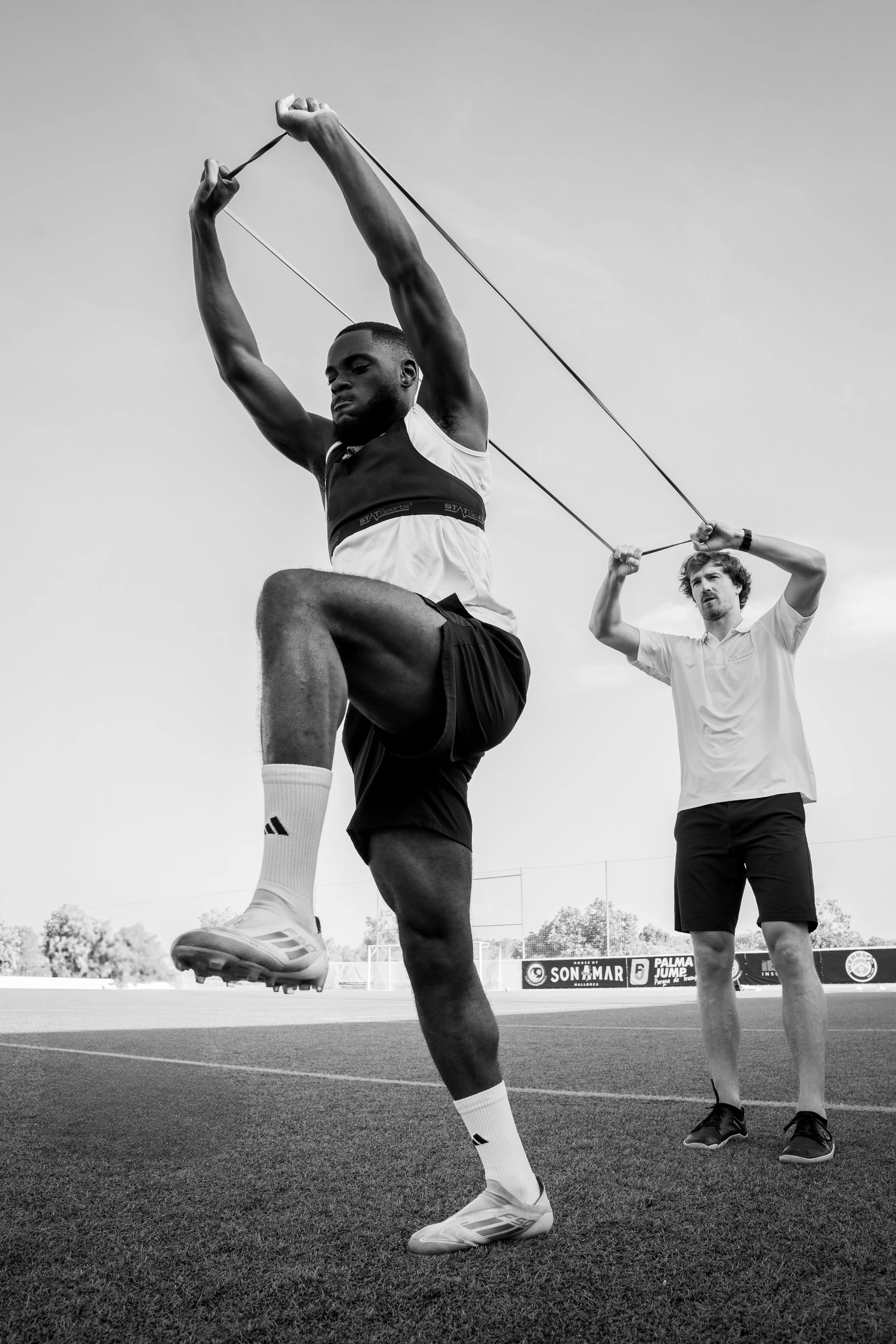
Best mobility exercises for long-term joint health
The best mobility exercises focus on joints that commonly become restricted over time. These include the hips, spine, shoulders, and ankles. When these areas move well, the body distributes load more efficiently and reduces unnecessary stress.
Mobility exercises should feel controlled and intentional. Fast or forced movements often lead to compensation rather than improvement. Slow, focused movement combined with steady breathing allows the nervous system to relax and joints to move more freely.
For individuals recovering from injury or dealing with persistent discomfort, guided support such as physiotherapy in Mallorca can help identify restrictions and build a safe, effective mobility routine.
Hip mobility exercises for everyday movement
The hips are central to almost every movement we perform. Walking, sitting, lifting, and even standing all rely on healthy hip mobility. When the hips become stiff, the lower back and knees often take on extra strain.
Controlled hip circles, deep squat holds, and lunging movements help restore hip motion. These exercises improve flexibility while strengthening the muscles that support the joint.
For those experiencing recurring hip tension or lower back discomfort, combining mobility exercises with osteopathy in Mallorca can help improve alignment and movement efficiency.
Spinal mobility exercises for posture and comfort
The spine is designed to move in multiple directions, yet modern lifestyles often limit this natural motion. Long periods of sitting can reduce spinal flexibility and contribute to stiffness or discomfort.
Gentle spinal flexion, extension, and rotation exercises help restore movement and improve circulation around the spine. This supports better posture and reduces tension in surrounding muscles.
When stiffness is linked to ongoing pain, professional care such as osteopathy for back pain relief can address deeper restrictions while mobility work helps maintain progress.
Shoulder mobility exercises for upper-body freedom
Shoulder mobility is essential for reaching, lifting, and carrying. Limited shoulder movement often leads to compensation through the neck or upper back, increasing the risk of discomfort.
Slow arm circles, controlled overhead movements, and scapular control exercises help restore shoulder range of motion. These movements also improve coordination between muscles and joints.
People with shoulder pain or restricted movement may benefit from structured rehabilitation through expert physiotherapy and rehabilitation in Palma to rebuild mobility safely.
Ankle mobility exercises for balance and stability
Ankles are often overlooked, yet they play a key role in balance and movement efficiency. Poor ankle mobility can affect walking mechanics and place added stress on the knees and hips.
Gentle ankle circles, controlled dorsiflexion movements, and weight-bearing mobility drills help restore ankle function. Improved ankle mobility supports better balance and smoother movement patterns.
For active individuals or athletes, combining ankle mobility with functional training for injury recovery helps reinforce movement quality under load.
How mobility exercises support injury prevention
Restricted movement in one area often forces other parts of the body to compensate. Over time, this compensation increases the risk of strain and injury. Mobility exercises help restore balance across the body.
By improving joint range and control, mobility work supports better movement mechanics. This allows muscles to work efficiently and reduces unnecessary stress during daily activities or training.
For those focused on long-term health and performance, mobility is a key component of movement mechanics and injury prevention strategies.
How often should mobility exercises be done
Mobility exercises are most effective when performed consistently. Short daily sessions often provide better results than occasional longer routines. Even ten to fifteen minutes a day can lead to noticeable improvements.
Listening to the body is essential. Mobility work should feel challenging but never painful. Progress comes from regular practice rather than pushing through discomfort.
If unsure where to start, working with a professional through private physiotherapy near you can help create a routine that matches individual needs.
Final Words:
The best mobility exercises support how the body is meant to move. They improve joint health, reduce discomfort, and help you stay active with confidence. Whether your goal is pain relief, better performance, or long-term wellbeing, mobility is a powerful tool.
If you want expert guidance and a personalized approach, the team at The Movement Mallorca can help you move better and feel stronger every day.
Frequently Asked Questions
What are the best mobility exercises for beginners?
Simple joint circles, controlled bodyweight movements, and gentle spinal mobility exercises are ideal for beginners.
How long does it take to improve mobility?
Most people notice improvements within a few weeks of consistent practice, especially when exercises are done daily.
Is mobility better than stretching?
Mobility includes active control and strength, making it more effective for long-term joint health than passive stretching alone.
Can mobility exercises reduce pain?
Yes, improving joint movement can reduce strain on muscles and help alleviate discomfort when done correctly.
Should mobility exercises be done before or after workouts?
They can be done both. Before workouts to prepare joints and after to restore movement.