The Role of Movement Mechanics in Long-Term Injury Prevention
While traditional injury prevention strategies focus heavily on stretching, strength training, and supportive footwear, optimizing your movement mechanics- the complex system of joints, muscles, and the nervous system—exerts the greatest impact on long-term musculoskeletal health. Proper injury prevention through movement depends entirely on how effectively your body distributes mechanical stress.
When the mechanics of movement are compromised, dysfunctional patterns subject localized tissues to repetitive wear. Over time, this mechanical overload accelerates joint degeneration, creates severe muscle imbalances, and triggers chronic injury cycles across the kinetic chain.
Optimizing your movement mechanics and neuromuscular control delivers three primary clinical benefits for long-term physical health:
Reduces Unnecessary Tissue Strain: Efficient movement patterns redistribute mechanical loads evenly, preventing isolated muscle groups or tendons from absorbing excessive force.
Protects Spinal Alignment and Joint Integrity: Proper body alignment minimizes wear and tear on articular cartilage and intervertebral discs during both daily activities and high-impact exercise.
Supports Sustainable, Pain-Free Mobility: Correcting structural movement flaws preserves long-term joint function, preventing premature osteoarthritis and functional mobility limitations.
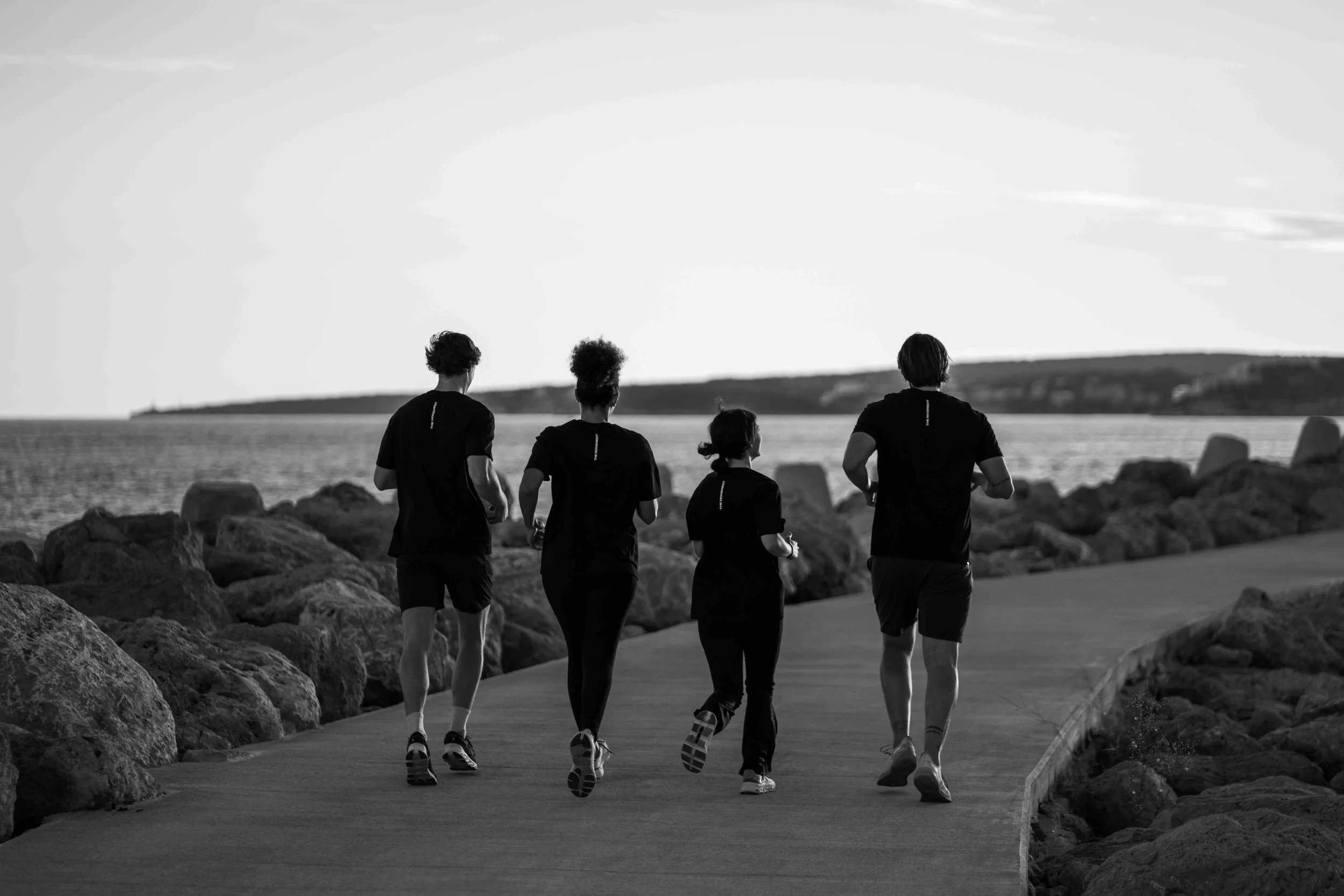
The Movement Mallorca offers functional physiotherapy to help people not only recover from injuries but also prevent them from happening again.
To optimize this section for high CTR, rich snippets, and AI Overviews, we need to inject authoritative medical terminology, structure the text for algorithmic scanning, and add a strong, localized call to action (CTA).
The copy below maintains your entire message but elevates it to sound like a premium physical therapy clinic, weaving in essential semantic terms that search engines look for.
What Are Movement Mechanics?
Movement mechanics, also known as biomechanics, refer to how the complex integration of your skeletal, muscular, and nervous systems performs physical tasks. It dictates the structural efficiency of your body during motion.
Key components of proper biomechanics include:
Joint Alignment During Motion: The tracks along which your joints glide during dynamic activity.
Muscle Activation Patterns: The precise timing and firing sequence of specific muscle groups.
Kinetic Chain Coordination: How force transfers smoothly between your limbs and core.
Dynamic Posture and Balance: Maintaining structural stability under changing physical loads.
Even microscopic mechanical inefficiencies create localized stress in the wrong places. Over time, this repetitive micro-trauma leads to chronic pain, accelerated joint degeneration, and recurrent injury cycles.
Real-World Biomechanical Failures
In Runners: Weak gluteus medius muscles often cause the knee to collapse inward, forcing the hamstrings and lower back to overcompensate. This frequently results in runner’s knee or lumbar strain.
In Golfers: Restricted thoracic spine mobility or poor shoulder mechanics force the rotator cuff to absorb excessive rotational force, leading to chronic impingement.
Identifying and correcting these faulty movement patterns early is the most effective way to prevent long-term musculoskeletal damage.
Why Does Proper Movement Matter for Injury Prevention?
1. Eliminates Overuse Injuries and Mechanical Overload
Incorrect mechanics place an asymmetrical load on specific muscles and tendons. This chronic overcompensation leads to debilitating conditions like tendinitis, stress fractures, and persistent plantar fasciitis. Optimizing your kinetic movement spreads mechanical loads evenly across primary muscle groups, completely protecting vulnerable joint structures.
2. Preserves Joint Health and Longevity
Healthy movement patterns ensure that your structural joints navigate through their natural, anatomically correct ranges of motion. This drastic reduction in friction protects articular cartilage, ligaments, and deep connective tissues from premature wear and tear, lowering the risk of early-onset osteoarthritis.
3. Enhances Athletic Performance Safely
Efficient movement unlocks hidden power. By minimizing energy leaks in your movement patterns, you can perform at a much higher intensity with significantly less physical strain. Whether you are an elite cyclist training in the Tramuntana mountains, a weekend warrior, or an active professional, better mechanics yield safer results.
4. Accelerates Post-Injury Recovery
When an injury occurs, the body naturally creates compensatory movements to avoid pain, which actually delays true tissue healing. A targeted, professional rehabilitation program restores safe, efficient movement patterns, breaking the compensation cycle and preventing secondary injuries.
Take the First Step Toward Pain-Free Performance Structural imbalances rarely fix themselves. If you are experiencing recurrent aches or want to safeguard your joints for the long term, our specialist team in Mallorca can map your unique biomechanics.
How Physiotherapy Can Help
Our physiotherapist in Mallorca can analyse your movement patterns and identify risks before they turn into injuries. Services often include:
Functional movement assessments to detect imbalances or weaknesses
Targeted exercises to strengthen underactive muscles and stretch overactive ones
Manual therapy to release tension, improve joint mobility, and correct posture
Education on body mechanics for daily activities, sports, and work tasks
This proactive approach is far more effective than treating pain after it appears.
Functional Training for Long-Term Protection
Functional training is designed to improve movement patterns, not just isolated muscles. By practising real-life motions, you learn how to:
Stabilise your core during bending, lifting, or twisting
Maintain proper posture while running, walking, or sitting
Coordinate upper and lower body movements efficiently
Adapt to unexpected forces or awkward positions safely
Functional training is particularly effective when combined with physiotherapy or osteopathy. This combination addresses both the symptoms and the root cause of movement inefficiency.
Common Areas Where Poor Mechanics Cause Injury
Lower Back: Improper lifting, prolonged sitting, or weak core muscles
Shoulders: Repetitive overhead movements, weak stabilising muscles
Knees: Misalignment during running or squatting
Hips: Limited mobility causing compensatory movements in the lower back or knees
Correcting these patterns early prevents minor aches from turning into chronic problems.
Tips to Improve Your Movement Mechanics
Even before visiting a clinic, you can start paying attention to how you move:
Focus on posture during daily activities
Warm up before exercise, targeting muscles you plan to use
Strengthen your core, glutes, and stabilising muscles
Practice mobility exercises for hips, spine, and shoulders
Move mindfully, noticing how your joints and muscles work together
For personalised guidance, an assessment at The Movement Mallorca will pinpoint your specific risk areas and create a plan tailored to you. You can also check our reviews on Google Maps to see the results our patients achieve.
The Takeaway
Long-term injury prevention is about moving smarter. Understanding and improving your movement mechanics reduces risk, enhances performance, and supports lasting health. No matter if you are recovering from a recent injury or aiming to prevent one, investing in functional physiotherapy and movement analysis can make a huge difference.
Prevent injuries before they happen, move efficiently, and enjoy your active lifestyle without limits. Book your appointment with us today here.